
When Vision Loss Is Alleged: How Ophthalmology Experts Assess Medical Causation

 Jun 19, 2026
 7 min read


Introduction
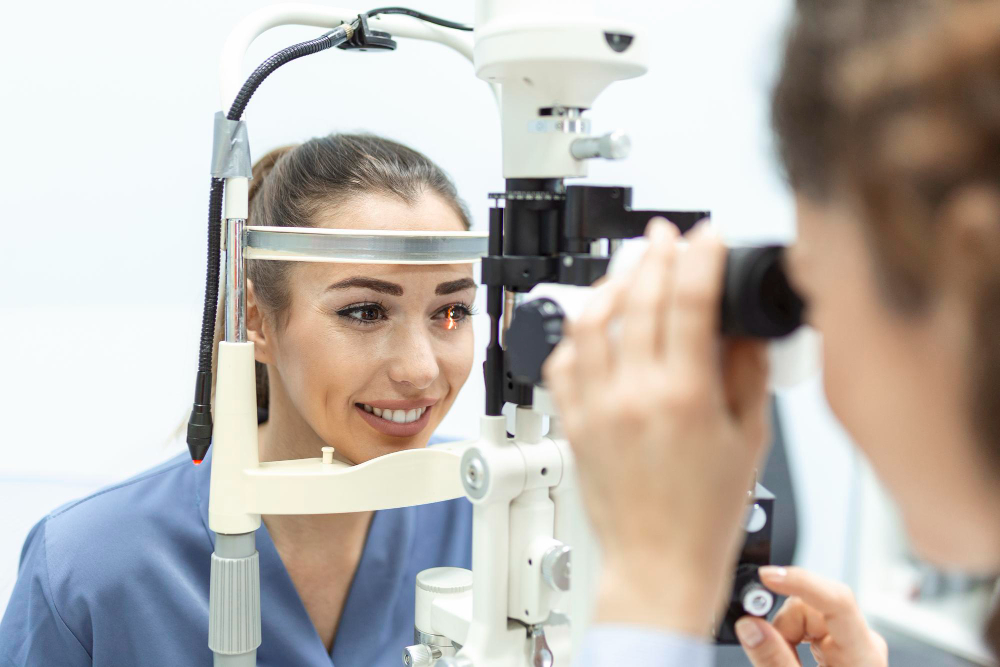
Vision loss can be difficult to evaluate. Many eye diseases and neurological conditions produce similar symptoms, which makes it challenging to determine exactly what is happening and why.
In adults over the age of 40 and the older population worldwide, ocular disorders such as corneal disease, cataracts, glaucoma, or macular degeneration cause vision impairment. Other conditions such as optic neuropathy and brain lesions may also affect vision. These conditions often produce overlapping symptoms, including blurred vision, reduced visual acuity, and defects in the visual field. Because of these similarities, careful medical evaluation is required to distinguish one condition from another.
The situation becomes more complex when patients have other health problems. Diseases like diabetes, hypertension, or neurological disorders further complicate cases by blurring lines between visual and systemic impairments. Advanced tools such as optical coherence tomography and neuroimaging are often used to understand what is happening inside the eye and the visual pathways.
Over time, specialized tests including visual field testing, fundus photography, and imaging studies allow ophthalmologists to observe subtle changes in the eye over time. These tests help determine whether vision problems are temporary or the result of lasting damage.
In legal cases, this level of analysis is especially important. An ophthalmology expert witness must do more than confirm that vision loss exists. The expert must also determine whether a particular event actually caused the condition.
Diagnosis and Causation in Expert Testimony
In medical and legal analysis, diagnosis and causation represent two related but different questions.
Diagnosis is the identification and classification of a medical condition based on symptoms, clinical examination, and diagnostic testing. It answers the question, “What condition exists?”
Causation focused on why the condition developed. It attempts to determine whether a specific event, exposure, or medical circumstance led to the condition. It answers the question, “Why did the condition arise?”
A simple example helps illustrate the difference. A physician may diagnose a retinal detachment after examining the eye and reviewing imaging studies. After establishing the diagnosis, the next step is determining what led to the detachment. Possible explanations might include trauma, a preexisting retinal condition, or natural degeneration of the eye.
Diagnosis confirms the presence of a condition. Causation evaluates whether a particular event is responsible for that condition.
In many cases the two processes inform one another. A diagnosis may provide clues about possible causes, while the analysis of causation may help confirm whether the diagnosis fits the patient’s medical history and circumstances.

The Role of Medical Records, Imaging, and Timelines
Medical records, diagnostic imaging, and clinical timelines are essential when evaluating both diagnosis and causation.
The medical records help in documenting a patient’s symptoms, observations, treatment, and response to care. They create a record of how the patient’s condition developed over time.
Diagnostic imaging provides objective evidence of structural changes within the eye or the brain. Techniques such as retinal imaging or optical coherence tomography allow physicians to observe internal anatomy and detect abnormalities that may not be visible during a routine examination.
Equally important is the timeline of events in the patient’s medical history. Establishing when symptoms began and how they progressed often provides critical insight into whether a claimed cause is medically plausible.
Experts review timelines to answer several key questions.
- Did symptoms appear before the alleged incident?
- Did they begin immediately afterward?
- Did the condition worsen over time in a pattern that is medically consistent with the claimed cause?
By comparing medical records, imaging results, and the sequence of events, experts can evaluate whether the available evidence supports or contradicts the proposed explanation for vision loss.
Distinguishing Trauma-Related Injury from Disease Progression
One of the most challenging questions in medical litigation involves determining whether vision loss resulted from trauma or from the natural progression of disease.
Trauma refers to a physical or psychological harm caused by an external event. For instance, fractures, burns, Post-Traumatic Stress Disorder (PTSD) from accidents, violence, et cetera. Disease progression refers to the natural worsening of a medical condition over time. It explains how a condition evolves, spreads, or intensifies. For instance, cancer metastasizing, or diabetes leading to organ damage.
Chronic eye diseases such as glaucoma, diabetic retinopathy, and macular degeneration may gradually reduce vision even without any external event. Because both trauma and disease can produce similar symptoms, careful analysis is required.
Experts examine several factors when making this distinction. These include the timing of symptoms, the patient’s previous medical history, earlier imaging studies, and whether the findings are medically consistent with the alleged event.
For example, a patient who had normal vision before an accident and developed visual problems shortly afterward may present stronger evidence of trauma. In contrast, a patient with longstanding eye disease may experience worsening symptoms as part of the natural course of the illness.
Imaging studies may also provide clues. Findings that suggest recent injury can differ from structural changes that develop gradually over time.
It is also important to note that the absence of medical records before an incident does not automatically prove a claim. Instead it limits the ability to determine whether a condition existed before the event.
Common Pitfalls in Causation Analysis
Determining medical causation requires careful reasoning. Several analytical mistakes can weaken an expert opinion.
-
Confusion between Causation and correlation: Assumption of two events occurring together, one must have caused the other, without establishing a true causal link.
-
Reverse Causation: In this situation the assumed cause may actually be the result of the condition rather than the trigger.
-
Ignoring Confounding Variables: often overlooking third-party factors that independently contribute and influence the cause-and-effect relationship.
-
Post Hoc Fallacy: This occurs when someone assumes that because one event followed another, the first event must have caused the second.
-
Selection Bias: Drawing causal conclusions from a non-representative sample, skewing results, and misrepresentation of the true population.
Causation errors often come from oversimplification. A common mistake is assuming that because symptoms appeared after an event, the event must have caused them. However, symptom onset following trauma does not establish causation; it merely establishes sequence.
Conversely, experts sometimes dismiss traumatic injury by attributing findings to pre-existing conditions without establishing that those conditions were genuinely symptomatic beforehand. Another pitfall is relying on specific diagnostic language. Terms like “consistent with” or “could be related to” are not very helpful without an analysis. Experts who fail to provide explanations undermine the reliability of their opinion.

Professional Takeaway for Legal Decision-Makers
Legal professionals should not blindly trust credentialed experts without questioning their methodology. An ophthalmology expert witness’s conclusion is only as reliable as their process. Decision-makers should ask whether the ophthalmology expert witness reviewed all pre-incident records, applied a recognized diagnostic standard, and addressed competing explanations.
In cases involving conditions, the question is not whether pathology exists but whether the claimed event materially accelerated or aggravated it. Judges and arbitrators should also be aware of confirmation bias in retained experts, who may selectively emphasize findings that support the retaining party. Getting a medical examination or requiring written responses to targeted clinical questions can improve the quality of evidence.
Conclusion
Assessment of causation of alleged vision loss requires a forensic ophthalmologist to move beyond diagnosis and establish medical reasons and certainty as to whether a certain event caused the impairment.
This process involves reviewing medical records, imaging studies, diagnostic testing, and the timeline of symptoms. By carefully analyzing this information, experts can distinguish between trauma, disease progression, and unrelated medical conditions.
A credible opinion is always scientifically rigorous, with a complete record review and transparent methodology, ensuring and affirming it as an evidence-proven and reliable opinion.

Related Articles
How an Ophthalmologist Expert Witness Evaluates in Delayed Diagnosis Cases
Learn how an ophthalmologist expert witness evaluates delayed diagnosis of glaucoma, retinal detachment, and diabetic retinopathy in eye cases.
 October 20, 2026
 8 min read
Vision Loss Types: Patterns, Severity, and Clinical Findings
Learn how vision loss types differ by pattern, severity, and clinical findings, including how eye exams can help identify and document visual impairment.

California Ophthalmology Expert Witness in Eye Injury Litigation
Learn how an Ophthalmology Expert Witness in California evaluates eye injuries, standard of care, medical records, treatment, and causation.