
California Ophthalmology Expert Witness in Eye Injury Litigation
 Sep 24, 2026
 10 min read
Table of Contents
- Ophthalmology Expert Witness in California
- The Role of an Ophthalmology Expert Witness
- When Specialized Ophthalmic Expertise Is Needed
- Differentiating Eyewall Defects
- Critical Steps in Open Globe Injury Care
- Evaluating Standard of Care Compliance
- How Is the Standard of Care Evaluated in California?
- Forensic Analysis and Proving Causation
- What Qualifications Should Attorneys Look for in an Expert Witness
- Conclusion
- Frequently Asked Questions
- Sources:


Surgical Expertise
Ophthalmology Expert Witness in California
A multi-decade review of the Westlaw litigation database found that ophthalmic trauma cases reach a jury more often than ophthalmology malpractice claims generally, with 40.9 percent of trauma cases resolved through trial.
California itself produced 12 percent of all cases nationwide over 80 years, trailing only New York. Beyond their prevalence, eye trauma cases carry a level of medical complexity that few other injuries present in civil litigation.
As a result, establishing liability requires a careful assessment of whether healthcare providers met the applicable standard of care and whether any deviation contributed to the patient’s outcome.
I am Dr. Duane Bryant, an experienced ophthalmology expert witness in California. Here, I provide an overview of what this line of work involves and the role an ophthalmology expert witness can play in these cases.
The Role of an Ophthalmology Expert Witness
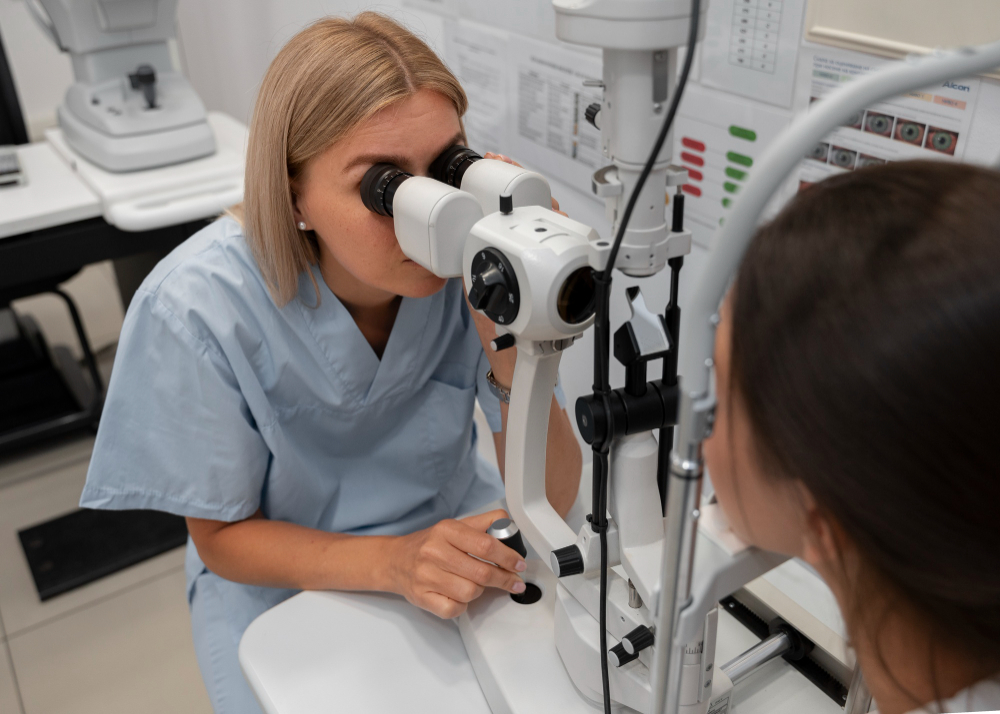
An ophthalmology expert witness provides specialized medical knowledge to help attorneys, courts, and other parties understand the ophthalmic issues involved in a case. Depending on the matter it involves:
- Reviewing medical records and the patient’s clinical history;
- Evaluating diagnostic decisions and the treatment provided;
- Assessing the applicable standard of care;
- Analyzing causation, including how an injury or condition developed;
- Evaluating complications and their relationship to the original injury or treatment;
- Assessing patient outcomes, including long-term effects on vision.
These evaluations help clarify the medical questions at the center of an ophthalmic case and provide an objective assessment based on the available evidence and clinical expertise.
When Specialized Ophthalmic Expertise Is Needed
Specialized ophthalmic expertise may be relevant when a case involves questions about:
- Eye injuries and ocular trauma
- Surgical complications
- Delayed or missed diagnoses
- Medical malpractice
- Treatment decisions
- Causation and patient outcomes
- Long-term visual impairment
Some of these cases involve particularly severe forms of ocular trauma, where understanding both the original injury and the care that follows is essential.
When I review a chart, I am not just looking at what happened to the eye. I look at every decision made after the patient walks through the door:
- Diagnosis;
- Treatment;
- Progression of the injury.
This approach is especially important in cases involving severe ocular trauma, where the initial injury and the care that follows can involve complex medical considerations.
One example is the open globe injury, one of the most severe forms of ocular trauma I encounter as an expert witness.
Differentiating Eyewall Defects
An open globe injury is a medical emergency. It involves a full-thickness defect in the cornea or sclera and threatens immediate vision loss. A nationwide study published in JAMA Ophthalmology reviewed more than 124,000 emergency department visits between 2006 and 2014 and found an incidence of 4.49 cases per 100,000 people.
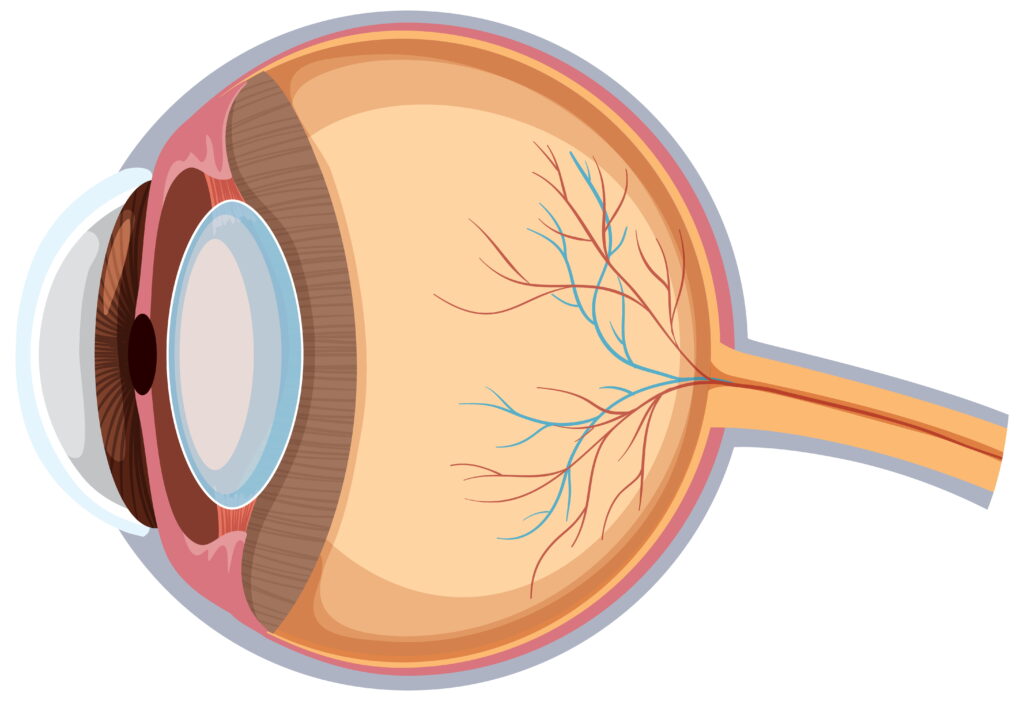
Given the potential severity and medical complexity of these injuries, the evaluation begins with determining how the eyewall was damaged. This requires understanding the exact mechanism causing the eyewall defect by classifying it using established clinical definitions.
- Globe rupture: results from severe blunt force trauma, where a sudden impact increases intraocular pressure until the eyewall tears open. This often occurs at weak points, such as old surgical incisions.
- Penetrating laceration: features a sharp entrance wound. If the object remains inside the eye, clinicians classify it as an intraocular foreign body.
- Globe perforation: involves both an entrance and an exit wound, creating two full-thickness wounds through the eyewall.
For an ophthalmology expert witness, this distinction helps establish that the clinical findings, diagnostic steps, and treatment decisions would be appropriate for the specific injury. Once the injury type and mechanism are established, the next step is to examine the critical stages of care following the patient’s arrival.
Critical Steps in Open Globe Injury Care
Litigation rarely focuses solely on the initial trauma. Claims often examine whether healthcare providers took appropriate steps to diagnose and treat the injury after the patient arrived for care. For open globe injuries, the standard of care begins with immediate eye protection and continues through diagnostic evaluation and surgical treatment.
- Protection: During emergency triage, the injured eye has to be protected immediately with a rigid shield, avoiding pressure, manipulation, or forced opening of swollen eyelids.
- Imaging: Clinicians must determine the extent of the injury through appropriate diagnostic testing. A non-contrast orbital CT scan (computed tomography) is commonly used to evaluate suspected orbital and ocular trauma. However, MRI (magnetic resonance imaging) should generally be avoided when a metallic foreign body is suspected due to the potential safety risks posed by the magnetic field.
- Treatment: After confirming an open globe injury, treatment must proceed without unnecessary delay. This reduces the risk of severe complications, including endophthalmitis. Whenever possible, surgical closure should occur within 24 hours, and when indicated, clinicians should promptly administer broad-spectrum intravenous antibiotics.
These successive steps, from protecting the eye and obtaining appropriate imaging to administering antibiotics and performing surgical repair, can become central to an expert’s evaluation of whether the medical team met the applicable standard of care.
Evaluating Standard of Care Compliance
Medical records should be carefully reviewed to spot potential negligence. The following checklist highlights key clinical evaluation standards:
- Triage Protocols: Immediate rigid shield placement without pressure dressings.
- Clinical Examination: Visual acuity checks without manual eyelid manipulation.
- Diagnostic Imaging: Appropriate and timely imaging based on the suspected injury, including orbital CT when indicated.
- Surgical Timing: Prompt surgical repair, with a goal of closure within 24 hours when possible.
When providers fail to follow these steps, the medical record may warrant closer evaluation for potential complications or preventable harm.
An open globe injury can worsen or develop serious complications without timely protection, diagnosis, and treatment. Unnecessary pressure on the eye can aggravate the original wound, while delays in recognizing the injury can postpone definitive surgical repair.
Delayed treatment can also increase the risk of complications such as:
- Infection;
- retinal detachment;
- persistent inflammation;
- and permanent vision loss.
For this reason, attorneys should examine not only whether a provider followed each step, but also whether any deviation contributed to the patient’s subsequent injury or visual impairment.

How Is the Standard of Care Evaluated in California?
California medical negligence cases generally require determining whether a healthcare provider exercised the reasonable degree of knowledge, skill, and care ordinarily possessed and exercised by members of the medical profession under similar circumstances. California Civil Jury Instruction CACI No. 502, Standard of Care for Medical Specialists, explains this standard and recognizes that expert testimony generally helps establish the applicable standard of care, whether the provider met it, and whether an alleged deviation caused the patient’s injury.
In an open globe injury case, an ophthalmology expert applies this legal framework to the medical evidence. The expert can help attorneys determine:
- What the circumstances required: Whether the patient’s condition called for specific diagnostic or treatment measures.
- Whether the provider met the standard: Whether the care provided was consistent with what medical professionals would reasonably provide under similar circumstances.
- Whether a deviation occurred: Whether the provider’s actions or omissions fell below the applicable standard.
- Whether the deviation caused harm: Whether the alleged deviation contributed to the patient’s injury, complications, or visual impairment.
These findings help attorneys connect the clinical evidence to the legal questions of standard of care and causation without treating a poor outcome alone as proof of negligence.
Forensic Analysis and Proving Causation
A deviation from the standard of care does not, by itself, establish liability. Attorneys must also determine whether that deviation caused or contributed to the patient’s injury.
An ophthalmology expert witness can conduct a detailed medical chart review to distinguish the effects of the original trauma from those potentially caused or worsened by subsequent medical care. The expert can assess the injury, treatment timeline, complications, and long-term vision impairment to determine whether the medical evidence supports a causal connection.
This analysis helps attorneys evaluate whether the patient’s vision loss resulted from the initial injury, subsequent treatment, or a combination of factors.
What Qualifications Should Attorneys Look for in an Expert Witness
Attorneys should select an ophthalmology expert based on qualifications that directly relate to the medical issues in the case. Important considerations include:
- Ophthalmology Training and Credentials: Appropriate medical education, residency training, certification, and, when relevant, subspecialty training.
- Clinical Experience: Meaningful experience diagnosing and treating ophthalmic conditions, particularly those involved in the case.
- Relevant Medical Experience: Direct experience with the specific injury, procedure, complication, or condition at issue.
- Medical-Legal Experience: The ability to review medical records, analyze clinical evidence, prepare expert reports, and clearly explain medical opinions during depositions or trial testimony.
- Communication Skills: Translate complex ophthalmic concepts into clear explanations to attorneys and jurors.
Attorneys should also provide the expert with the records necessary to conduct a thorough review, including medical and ophthalmology records, operative reports, diagnostic imaging, visual-acuity and visual-field testing, medication records, prior ocular history, photographs, and relevant deposition testimony.
The most relevant expert is one whose clinical background and medical-legal experience align with the specific questions presented by the case. In an open globe injury matter, that may include experience evaluating ocular trauma, surgical treatment, complications, causation, and long-term visual outcomes.
Conclusion
Evaluating an eye injury in a legal case requires more than determining whether the patient experienced vision loss. The analysis must also consider the nature of the injury, the care provided, the timing of diagnosis and treatment, and the factors that affected the patient’s visual outcome.
An ophthalmology expert witness can help attorneys interpret these medical issues by applying clinical expertise to the available evidence. In cases involving severe ocular trauma, this may include evaluating the injury itself, subsequent treatment, complications, standard of care, and causation.
For attorneys handling ocular trauma or medical negligence claims, a thorough ophthalmic review can provide a clearer medical basis for evaluating the issues at the center of the case.
Frequently Asked Questions
When is an ophthalmologist expert witness needed?
An ophthalmologist expert witness is useful when litigation involves eye injuries, ophthalmic treatment, surgical complications, or alleged medical negligence.
What is an open globe injury?
An open globe injury is a full-thickness wound of the cornea or sclera. It includes penetrating, perforating, and rupture injuries.
Is surgery required for an open globe injury?
Confirmed open globe injuries generally require urgent ophthalmic surgical evaluation and repair. Repair is typically targeted within 24 hours when possible.
What should attorneys consider when selecting an ophthalmology expert?
Attorneys should consider the expert’s ophthalmic training, clinical experience, familiarity with the relevant injury or procedure, and ability to explain medical opinions clearly.
Sources:
Ocular Penetrating and Perforating Injuries – EyeWiki, Eyewiki.org (2026), https://eyewiki.org/Ocular_Penetrating_and_Perforating_Injuries.
CACI No. 502, Standard of Care for Medical Specialists, Justia (2026), https://www.justia.com/trials-litigation/docs/caci/500/502.
Ruptured Globe – EyeWiki, Eyewiki.org (2026), https://eyewiki.org/Ruptured_Globe.
Pre-Ophthalmologist Management of Eye Trauma – EyeWiki, Eyewiki.org (2026), https://eyewiki.org/Pre-Ophthalmologist_Management_of_Eye_Trauma
Delaney F et al., Characteristics of Open Globe Injuries in the United States From 2006 to 2014, JAMA Ophthalmology, Vol. 138(3), pp. 268-275 (2020), https://pmc.ncbi.nlm.nih.gov/articles/6990674.
Engelhard SB et al., Malpractice Litigation in Ophthalmic Trauma, Clinical Ophthalmology, Vol. 14, pp. 2049-2056 (2020), https://pmc.ncbi.nlm.nih.gov/articles/PMC7367728.

Related Articles
Cataract Eye Surgery Complications: What Patients Should Know Before Surgery
Explore cataract eye surgery complications, possible risks, recovery process, and what every patient should know and ask before undergoing cataract surgery.
 August 7, 2026
 10 min read

When Vision Loss Is Alleged: How Ophthalmology Experts Assess Medical Causation
Learn how Ophthalmology Experts Assess determine vision loss, identify the underlying condition, and analyze what may have caused it.