
Cataract Eye Surgery Complications: What Patients Should Know Before Surgery

 Aug 07, 2026
 10 min read
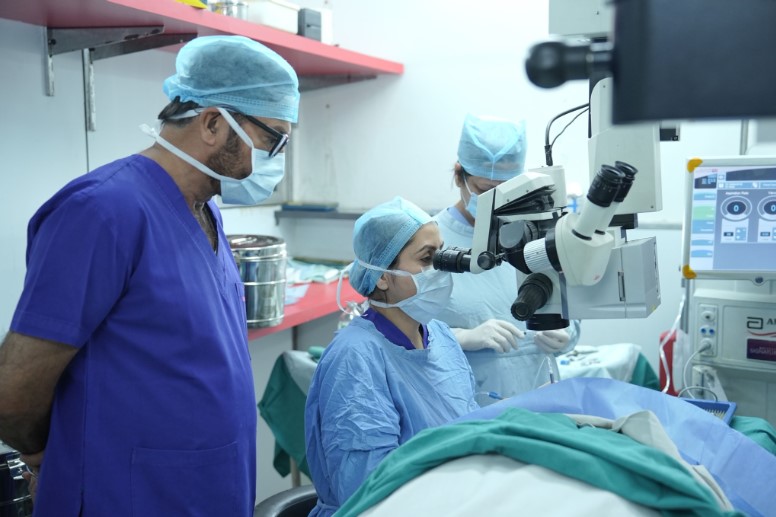


Cataracts stop light from properly passing through your eye lens. This leads to blurry vision, halos around bright lights, or even double vision. Cataract surgery is an eye surgery that is performed to remove the cloudy eye lens and then replace it with an artificial clear eye lens. Our eyes have a crystalline lens which naturally assists in focusing light. The artificial lens is called an intraocular lens (IOL). In cataract surgery, the former is replaced or supplemented by the latter.
It is a typical safe procedure that takes an average of 10 to 15 minutes per lens replacement. However, with preparation and final trials can amount to a few hours. This is an outpatient procedure, which generally means that the patient doesn’t have to stay in the hospital and can leave as soon as the surgery is done. Today, we are going to discuss and cover all types of cataract eye surgery complications, including risks, pre- and post-cataract surgery checklist, and other substantial factors.
Who Should and When to Undergo Cataract Surgery?
First of all, you should know the very common symptoms of cataract. It generally includes troubled vision at night, sunlight or bright lights, cloudy, dim or blurred vision, requiring a substitute light to read or other activities, double vision in a particular eye, halos, starbursts at night, fading or yellowing of colors, including frequent changes in eyeglasses. Anyone who encounters any of these symptoms should consult an ophthalmologist.
The general causes of cataract come from obesity, diabetes, excessive consumption of alcohol, extended use of corticosteroid medicines, smoking, and tobacco use. Although it mostly occurs in people when they are old, no particular studies have shown a foolproof prevention of cataract growth. It also revolves around how ophthalmology experts assess medical causation.
As you age, the proteins and fibers in the eye’s natural lens start to wear down. When this happens, the lens starts to become cloudy, and you’ll start to lose the ability to see clearly. Anyone with an eye condition should try to have regular eye checkups, wear sunglasses, reduce alcohol, and stop smoking, turning towards a healthy lifestyle and health management.
Cataracts typically occur in both eyes but with different growth rates. One thing to keep in mind is that cataracts are never a medical emergency. If you are someone who has just learnt about having cataracts, take your time and do not decide in haste or under pressure. You can wait to have the surgery as per your convenience. At first, when you notice any of the cataract symptoms, new prescription glasses can help, but as it grows with time, you’ll eventually have to go through surgery.
How Common Are Cataract Surgery Complications?
In the US alone, 4 million cataract surgeries are performed annually. On a global level, the number is in the vicinity of over 28 million yearly. A ballpark figure of 60,000 cataract procedures occur every day in the world, and with time, it is most likely to grow considering 90% of all people will develop cataracts by the age of 65 and a majority will seek treatment.
On top of that, cataract surgery boasts a 99% success rate with almost all patients observing instant results. Speaking of complications, a 2024 study suggests that cataracts have caused bilateral blindness among 45 million people worldwide. According to the Cleveland clinic, cataract surgeries improve 97% of vision in patients.
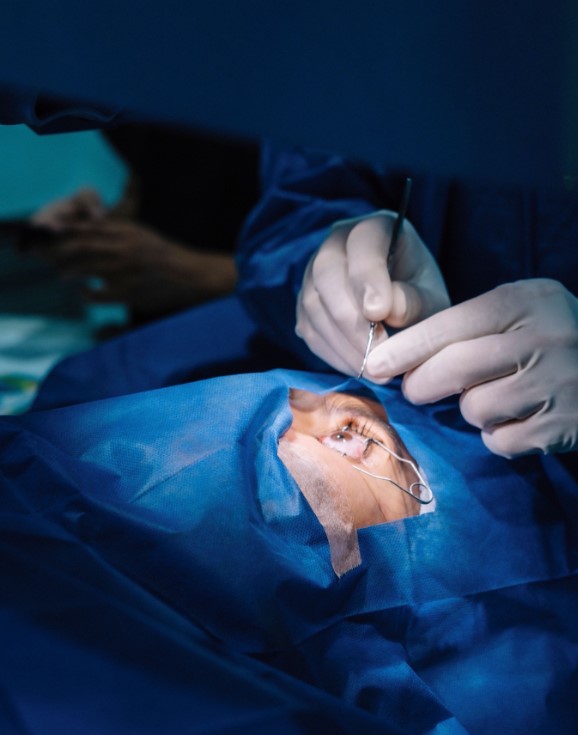
Common Post Cataract Surgery Complications
Posterior Capsule Opacification
PCO occurs as a complication where the eye lens capsule is surrounded by clouding. The lens capsule functions as a thin membrane to cover the lens and offer an appropriate shape. The cataract surgery is done to remove the lens, but the capsule is there which is made up of natural materials and cells.
When new lenses are fitted, some epithelial cells that are still present in the capsule travel and settle on the surface of the lens capsule. This is also known as cell migration and is basically part of the healing process. This settling down of cells forms cloudiness. It develops cloudy patches, and it can happen anywhere from months to a year post cataract surgery. Another name for PCO is secondary cataract.
Infection (Endophthalmitis)
It is an infection caused by inflammation of the inner coats of the eye. Surgeons tend to advise antibiotic drops to lower this risk before and after the operation. Although the risks of redness, pain, or sudden vision loss within days of surgery should prompt an urgent call to the surgeon rather than a wait-and-see approach.
Retinal Detachment
Another cataract eye surgery complication is retinal detachment, known as a serious post-surgery consequence. This type of complication is mostly observed with younger myopic (nearsighted) patients.
Cystoid Macular Edema
The center of the retina is called the macula; this is another common complication where, after cataract surgery, fluid builds up on the macula. This is harmless in the context of pain but causes temporary blurriness. This usually goes away in a span of 4 to 12 weeks post-cataract surgery. The buildup of fluid causes swelling called cystoid macular edema.
The commonality of post-cataract surgery complications also depends on various other factors. For example, a patient with a healthy eye with no prior history of surgery or illness has a different profile compared to patients who suffer from diabetes, past trauma, or an existing retinal condition. Apart from that, minor issues such as dryness, short-term blurred vision, and glare are very common and go away by themselves within a few weeks.
Rare but Serious Cataract Surgery Risks
A smaller group of cataract surgery risks is less common but carries a greater impact when they occur.
Dislocated or Displaced Lens
As the name suggests, it basically means that the lens shifts from its position within the first few weeks of the surgery. It definitely leads to blurry eye vision, glare, or even double vision. It requires a follow-up procedure to reposition the lens or even to replace the implant.
Persistent Inflammation and Elevated Eye Pressure
Some patients develop inflammation inside the eye post cataract surgery. This may lead to increased intraocular pressure and, with time, can imply stress on the optic nerve. Steroid eye drops usually control the inflammation. It is readily observed that patients with a history of glaucoma or uveitis have a higher chance of this complication.
Corneal Swelling and Damage
Another cataract eye surgery complication is the temporary swelling of the cornea. This causes hazy vision but fortunately goes away in a few days. Sadly, in rare cases, if the swelling persists, the patient may have to go through a corneal transplant. This is a risk that most surgeons screen for during the pre-operative exam to keep the surgical plan intact.
Factors Increasing Cataract Surgery Risks
Mostly, cataract develops in people around the age of 55, but it can occur in anyone, for that matter, from infants to young children. Having said that, age cannot be the only factor to determine how risky the surgery will be. The main factors increasing the cataract surgery risks are:
- Diabetes, history of eye surgeries, high degree of myopia, and even small pupils.
- Patients suffering from prostate conditions become prone to intraoperative floppy iris syndrome.
- Past traumas, family history of bad eyesight, and a childhood wound.
- Chronic diseases and ongoing treatment and trials.
- Dense or advanced cataracts can extend the length of surgery.
What to Do Pre and Post Cataract Surgery?
We have devised a complete pre and post-cataract surgery checklist for you to follow:
The pre-surgery checklist:
1–2 weeks before
- Confirm the type of artificial lens (monofocal, multifocal, or toric)
- Inform the ophthalmologist about any medication for a prostate condition.
- Check if blood-thinning medications need to be paused.
- Go through a complete biometry to size the artificial lens.
1–2 days before
- Begin with the prescribed antibiotic eye drops.
- Arrange a ride home, since you won’t be able to drive yourself after surgery.
- Line up help at home if you’ll need it for a few days.
Day of surgery
- Don’t eat or drink for about 12 hours beforehand.
- Skip any form of makeup, lotion, or perfume near the eyes.
- Wear comfortable, loose clothing and leave valuables at home.
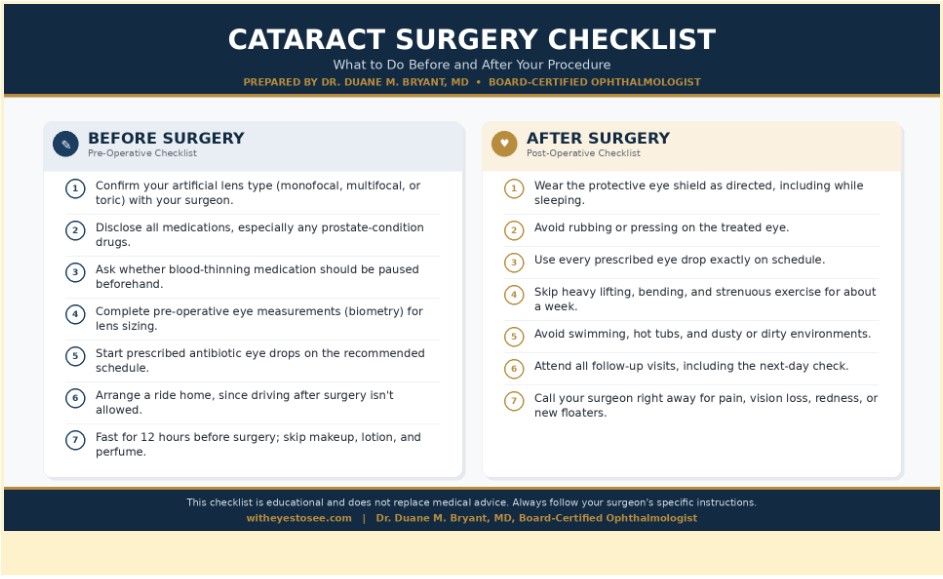
Post-Surgery Checklist
First 24 to 48 hours
- Wear the protective eye shield as directed.
- Avoid rubbing or pressing on the eye.
- Expect the obvious mild itching or discomfort, including red or watery eyes.
First week
- Use all prescribed eye drops.
- Skip heavy lifting, bending, and other workout activities.
- Avoid swimming, hot tubs, and dusty or dirty environments.
- Attend your follow-up visit, usually scheduled for the day after surgery.
First 1 to 3 months
- Watch for warning signs such as vision loss, increasing redness, eyelid swelling, or new flashes and floaters.
- Keep all follow-up appointments, usually around the one-month mark.
- Seek the ophthalmologist’s clearance before a final eyeglass prescription.
- In case you need both eyes treated, expect the second surgery once the first eye has healed.
The most common advice for patients would be to share their complete medical history. It is also advised to have a proper medical record review read with the surgeons to allow them to guide and adjust their approach, decreasing the risks and odds of surprises during and post surgery.
Conclusion
Cataract surgery is a safe and well-established procedure with a strong success rate. Although post-cataract surgery complications are possible, patients should never be afraid of them and must understand that they are part of the medical procedure.
Patients should look for experienced ophthalmologists; they must share their issues and be completely honest about their medical history. At the same time, they should stay aware of warning signs during recovery. An extensive discussion with the ophthalmologist about cataract surgery risks makes all the difference.
Frequently Asked Questions
What are the most common cataract surgery complications?
Posterior Capsule Opacification (PCO), dry eye, and mild retinal swelling are common cataract surgery complications.
How serious are cataract eye surgery complications, really?
Most cataract surgeries are complications free but only in rare cases complications such as severe infection or retinal detachment are observed.
What are the warning signs of a cataract surgery complication?
Pain, vision loss, increased redness, or new flashes are simple warning signs. Patients experiencing this should immediately consult their doctor.
Who is at higher risk for cataract surgery complications?
People with diabetes, high nearsightedness, a medical history of chronic diseases and previous eye surgery, or small pupils are at higher risk. They are advised to share their complete medical history.
How Surgeons Lower the Risk of Complications?
They perform a detailed pre-operative exam, checking for underlying conditions. During surgery, antiseptic protocols and antibiotic drops are used to avoid infection.
Reference links –
https://www.londoncataractcentre.co.uk/blog/global-cataract-statistics-2025/
https://www.researchandmarkets.com/reports/6252897/cataract-surgery-complications-epidemiology?srsltid=AfmBOopzp1ej_O1W-C-WjYUuAbeYwfa-KfBLuIa8d4ieNgIMl0TpqAHY
https://my.clevelandclinic.org/health/diseases/24737-posterior-capsular-opacification
https://www.ncbi.nlm.nih.gov/books/NBK559079/
https://www.mayoclinic.org/diseases-conditions/cataracts/symptoms-causes/syc-20353790

Related Articles

California Ophthalmology Expert Witness in Eye Injury Litigation
Learn how an Ophthalmology Expert Witness in California evaluates eye injuries, standard of care, medical records, treatment, and causation.
 September 24, 2026
 10 min read

When Vision Loss Is Alleged: How Ophthalmology Experts Assess Medical Causation
Learn how Ophthalmology Experts Assess determine vision loss, identify the underlying condition, and analyze what may have caused it.